The Fridge Shelf Treaty: Keeping CBD Calm in a Shared Office Kitchen
The office fridge is a small democracy with a big memory. Someone’s lunch goes missing, a milk carton gets moved, and by Friday there’s a passive-aggressive note taped to the door. A CBD bottle doesn’t need to join that story. With a bit of labelling and a little common sense, it can sit in the shared kitchen without becoming a talking point, a mix-up or a mystery.
This isn’t about convincing anyone of anything. It’s about workplace etiquette: how to keep your own routine tidy, respect the space everyone uses, and answer a colleague’s question without launching into a lecture.
Start with a label that answers the obvious question
An unmarked bottle in a shared fridge is an invitation for guesswork. A permanent marker is better than a sticky note that curls up by Tuesday. Put your initials on it, say what it is in plain terms, and add a short note if it helps: [CBD oil](https://en.wikipedia.org/wiki/Cannabidiol) — please don’t use. You don’t need a paragraph. You need clarity.
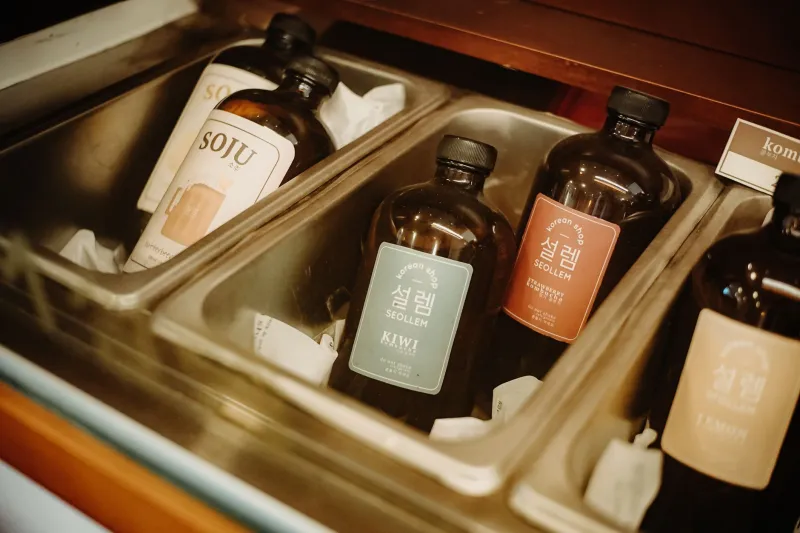
If you decant anything into a smaller container, label that too. A tiny amber bottle with no writing on it looks like a prop from a detective drama, not a sensible workplace item. The same goes for capsules. Keep them in their original pack if you can, or use a labelled pill box that clearly belongs to you. The aim is simple: nobody should have to open it to work out what it is.
Check whether it needs the fridge at all
Not every CBD product belongs next to the sandwiches. Some oils and capsules are happiest in a cool, dark cupboard, and the label or product page should tell you what the maker recommends. Read that before you claim a shelf. The office fridge is not a default storage solution; it’s a shared appliance with temperature changes every time someone opens the door.
If your product does need to be kept cool, give it a proper home. A small, sealed lunchbox or an opaque pouch is ideal. It keeps the bottle upright, contains any drips, and stops it rolling around beside someone’s yogurt. Don’t leave a loose dropper bottle on the door shelf, and don’t balance it on top of a colleague’s meal prep. That’s not discretion; that’s a future complaint.
Keep the routine boring in the best way
A workplace routine should be quick and uneventful. Take what you need, close the container, wipe the surface if you’ve made a mess, and put it back. Don’t line up bottles like a mini display. Don’t leave a dropper resting on the communal counter. Don’t mix anything into shared milk, sugar or condiments — that’s a hard no in any kitchen, regardless of what’s in the bottle.
Use your own cup or spoon, and clean up after yourself. If you’re taking capsules, don’t leave them loose on the side while you make a brew. Small things like this are what separate a calm routine from a kitchen mystery.
Discretion works better than a performance
You don’t owe the whole office an announcement, and you don’t need to hide your product in a way that creates confusion. A labelled container is usually the sweet spot. It says: this is mine, it’s intentional, and it isn’t for sharing.
If a colleague asks what it is, keep it plain. Something like: “It’s CBD oil. I label it so it doesn’t get mixed up with anyone’s food.” That’s usually enough. You can add that you’re not offering it around, and that you’d rather not give health advice. If they’re curious about CBD in general, point them to a reliable plain-English guide rather than turning the kettle area into a consultation room.
And if someone seems uncomfortable? Respect that. Shared spaces work because people don’t force their habits on everyone else. A quiet, contained routine is more considerate than a visible one that invites comment.
What to do if there’s a mix-up
Even with labels, things get moved. Someone might shift your container to fit in a birthday cake. Thank them, check your product’s storage instructions, and don’t guess if it’s been left out somewhere warm. If a bottle has been opened by someone else, or you’re unsure whether it’s been contaminated, don’t use it. That’s not dramatic; it’s basic hygiene.
The best fix is prevention: label clearly, contain properly, and take it home when you won’t need it. If your office gets a deep clean over the weekend, don’t leave CBD at the back of the fridge for a cleaner to find and wonder about.
Check the workplace rulebook before it becomes a habit
Some workplaces have policies about bringing supplements or personal products into shared areas. Check your handbook or ask a manager if you’re unsure. You don’t need to make it a formal meeting; a quick question is fine. The goal is to avoid surprises later, not to create a fuss now.
The Friday reset
At the end of the week, take stock. Is the bottle still in date? Is the label readable? Is the container clean? If you’re not back in the office for a few days, take it home. A small reset stops the shared fridge from becoming a lost-property drawer with a wellness section.
CBD at work doesn’t need a special ceremony. It needs a label, a sealed container, a bit of cleaning up and some plain speaking if anyone asks. Treat the shared kitchen like a shared kitchen, and your routine can stay as unremarkable as the milk round — which is exactly the point.