The Great CBD Shelf Shuffle: Reading UK Novel Food Rules Without a Law Degree
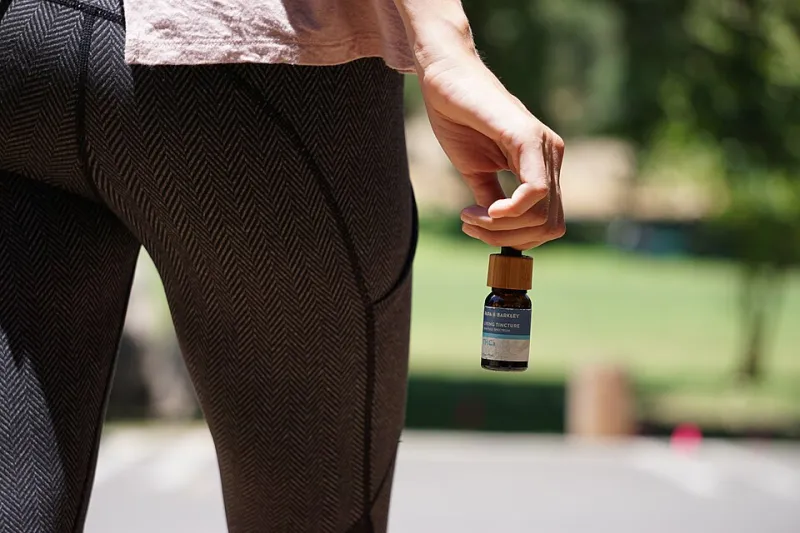
Photo: elsaolofsson, CC BY 2.0, via Wikimedia Commons
Pop into a health shop or a pharmacy aisle this month and the CBD section probably looks sparser than it did a few years back. Fewer novelty flavours, fewer unfamiliar logos, more brands you actually recognise. That thinning-out is not a sign the category is fading. It is the paperwork catching up with the marketing.
If you have tried to read up on UK novel food rules before, you will know the experience: three paragraphs in and you are drowning in acronyms. So let us do it differently. Here is what the rules mean, what has shifted going into 2026, and what you should actually do with your wallet.
Novel food, explained in a sentence you can repeat to a friend
A novel food is any food or ingredient that was not widely eaten in the UK or EU before May 1997. If something is new to the food chain, regulators want evidence it is safe before it sits on a shelf, so it needs authorisation.
CBD extracts land firmly in that bucket. Yes, hemp has been grown and eaten here for centuries, but the concentrated extracts sold in little dropper bottles today were not on British plates in the mid-nineties. Different plant material, different extraction, much higher concentrations. The regulator treats that as a new food, not a traditional one.
That single fact is what has been reshaping the shelves.
The public list, and why it is your best shopping shortcut
The Food Standards Agency keeps a public list of CBD products linked to applications that have reached a credible stage. People often misread it as a seal of approval. It is not. It is closer to a queue ticket: the brand has shown enough groundwork to be taken seriously, and the safety work is still in progress.
For shoppers, though, it is genuinely useful. It gives you a starting point that is not a brand's own website. If the bottle in your hand is not connected to anything on that list, that is not automatically a scandal, but it is a fair question to ask before you spend thirty quid.
The list has also been pruned over the years. Names that were on it in 2023 are not all on it now. Some withdrew, some ran out of money, some could not produce the toxicology data required. Watch what happens to those brands on the shelf.
Why some brands quietly vanish
Getting a CBD product through the authorisation process is expensive. You need stability testing, toxicology studies, detailed manufacturing records and a lot of patience. For a small operation selling a few hundred bottles a month, that is a mountain. Many simply decide the maths does not work.
So the shrink you see on shelves is part economics, part compliance. Bigger players absorb the cost and stay. Smaller ones either fold, get bought, or rebrand as something that is not technically a CBD product. Meanwhile Trading Standards has become more comfortable asking awkward questions about labels, which has nudged the sloppier end of the market out of the door.
What is different going into 2026
We are not going to pretend the picture is settled, because it is not. What has clearly changed is the direction of travel: the list is tighter, the safety conversation has moved from vague promises to actual data, and the first full authorisations are working their way through rather than sitting permanently in the pending tray.
At the same time, enforcement has become more consistent. A retailer who used to get away with a label reading hemp extract 1000mg and nothing else is now more likely to get a letter. That is good news for anyone trying to buy sensibly, even if it means fewer choices.
It also means the days of buying a random bottle online and assuming someone, somewhere, checked it are over. In practice the homework has moved to you.
Five checks before you pay
None of these take long, and none require legal training.
One: name on the list. Search the brand and product against the FSA public list. If it is absent, ask the retailer why. A decent shop will have an answer.
Two: real numbers, not vague numbers. Look for milligrams of CBD per bottle and per dose. Phrases like full spectrum hemp extract 1000mg tell you almost nothing about how much CBD is in a drop.
Three: a batch-level lab report. Reputable brands publish one, usually by batch code, showing cannabinoid content and a screen for contaminants. If you cannot find it, treat the claim as unverified.
Four: a THC statement. UK CBD products are expected to contain only trace THC from industrial hemp. If the label is silent on it, that is a gap.
Five: dose guidance that matches official advice. The FSA advises healthy adults to take no more than 10mg of CBD a day. If a bottle suggests something wildly beyond that with a cheerful shrug, that tells you something about the brand's approach.
What this means for your routine
The odd upside of all this regulation is that it rewards buying less, and buying more deliberately. A single product you have actually checked beats five impulse buys that sit half-used in a drawer. That is not just a compliance point, it is a decent rule for any wellness routine.
Start low, keep a short note of what you took and when, and give it a few weeks before deciding anything. If you are on prescription medication, pregnant or breastfeeding, the official advice is to speak to a healthcare professional first, and that advice has not softened with the rules.
The bottom line
The 2026 CBD shelf is smaller, duller and considerably more honest than the one we had a few years ago. That is not a loss. Novel food rules are not designed to make your life difficult; they exist because concentrated extracts deserve evidence behind them. Use the public list, read the milligrams, ignore the poetry on the front of the bottle, and you will be making a better decision than most people wandering the aisle.