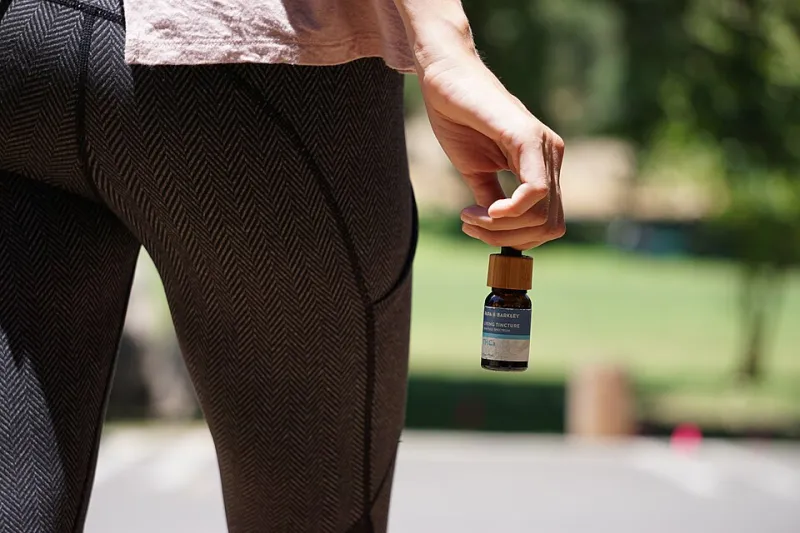
Two Bottles, One Green Leaf: Telling Hemp Seed Oil and CBD Oil Apart in a UK Kitchen

Photo: STEVE POVEY, CC BY-SA 2.0, via Wikimedia Commons
There is a particular kind of confusion that happens in a health food shop when someone picks up a dark green bottle, reads the word hemp, and assumes they are holding CBD. Fair enough. The packaging is similar, the plant is the same, and both bottles promise a slightly better version of you. But one of them is a salad dressing and the other is a supplement, and mixing them up costs money and expectation.
Let us sort it out properly, because once you know what to look for, you will never be caught out again.
Same plant, completely different part
Hemp seed oil is pressed from the seeds of the hemp plant. Seeds contain essentially no cannabinoids, so there is no meaningful CBD in there and no THC to speak of. What you get instead is a pleasant, nutty oil rich in polyunsaturated fats, particularly omega-3 and omega-6, plus vitamin E. It is a food, and it has been eaten in Britain for a long time.
CBD oil is made from the flowers and leaves, where cannabinoids actually live. The plant material is extracted, the CBD is concentrated, and the result is a supplement measured in milligrams. Different starting material, different process, different purpose.
Think of it like olives. Olive oil for the kitchen, olive leaf extract for a supplement bottle. Nobody expects the same outcome from both, even though the tree is identical.
One is dinner, one is a dose
The legal side matters more than people realise, because it explains why the two sit in different parts of the shop.
Hemp seed oil is treated as a traditional food. You can cook with it, dress a salad with it, and buy it from a supermarket without anyone raising an eyebrow.
CBD oil is a novel food. Under UK rules, CBD extracts need to be linked to an application on the Food Standards Agency public list before they are sold. That is why CBD tends to live in the supplements aisle, why the label carries dose guidance, and why the FSA advises healthy adults to keep intake to 10mg a day or less.
If a bottle is being sold as a food, in the food aisle, with a nutrition panel listing fat and calories, it is almost certainly hemp seed oil. CBD does not get sold that way, and a brand cutting that corner is worth avoiding.
Five label checks that settle it in seconds
The ingredient name. Look for Cannabis sativa seed oil or cold-pressed hemp seed oil. That is the food. If it says cannabidiol, CBD isolate or broad spectrum hemp extract, you are holding a supplement.
The panel type. Hemp seed oil carries a nutrition declaration: energy, fat, saturates, that sort of thing. CBD products carry a supplement style panel or simply a dropper dose with milligrams stated.
Milligrams of what. A bottle claiming 500mg or 1000mg is only useful if it tells you milligrams of CBD. Hemp seed oil brands sometimes shout about milligrams of omega-3 instead, which is a totally different number doing a totally different job.
Price per milligram of CBD. If you are comparing CBD products, this is the only fair measure. A cheap-looking 10ml bottle at a low strength can work out far more expensive per milligram than a pricier, stronger one.
A THC statement. UK CBD should contain only trace THC. Hemp seed oil should contain effectively none at all. Either way, a serious brand says so.
Using each one without wasting the bottle
Hemp seed oil is genuinely good in the kitchen. It has a low smoke point, so do not use it for frying or roasting at high heat. Use it cold: over a salad, stirred into a smoothie, drizzled on soup, or mixed into a dressing. It goes rancid faster than you would expect, so keep it in the fridge once opened and use it within a few months. A bottle that has been in the cupboard since last spring is not doing anything useful.
CBD oil is usually taken under the tongue, held there for a minute or so, then swallowed. It is not a cooking oil and adding it to a stir-fry is a waste of money. If you are trying it, start with a low dose, keep it consistent for a few weeks, and note anything you observe. Anyone on prescription medication, pregnant or breastfeeding should talk to a pharmacist or GP before starting, which is the standard advice and worth repeating.
The marketing grey area to watch for
Some products deliberately blur the line. You will see hemp oil blends that contain a token amount of CBD and are priced like a premium supplement. You will see CBD brands using seed imagery and farm language that makes a lab extract sound like a harvest from a barn. Neither is illegal, but both are confusing.
Our rule of thumb: read the back, not the front. The front is written by the marketing team. The back is governed by regulations, and regulations hate ambiguity.
So which one belongs in your routine?
If you want a nutrient-dense oil to use in food and you are not chasing a specific supplement, hemp seed oil is a pleasant, inexpensive addition to the kitchen. Treat it like a nice nut oil and you will get on fine.
If you are curious about CBD, buy something clearly labelled as CBD, from a brand tied to the FSA list, with a stated milligram amount per dose and a lab report you can actually find. Keep expectations modest and your dose low.
What you should not do is buy one expecting the effects of the other. Two bottles, one leaf, entirely different jobs. Once that clicks, the shelf stops being confusing and starts being quite straightforward.