The Empty Bottle Problem: Auditing CBD Packaging Before It Reaches Your Bin
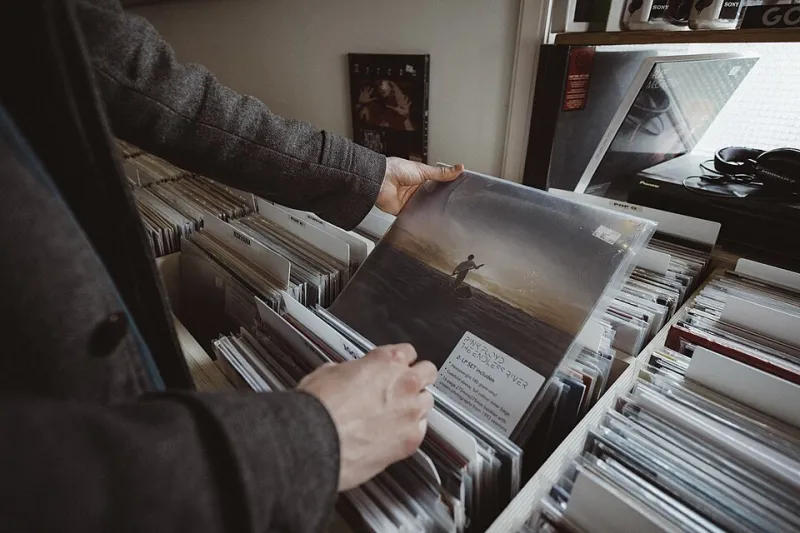
Photo: empty amber glass dropper bottles on kitchen counter recycling, via public.bnbstatic.com
You finish the last of a 10ml bottle, screw the dropper back on out of habit, and park it by the kettle. Do that for a month and you've got a small queue of empties, each one a little assembly of glass, plastic, silicone and glue that no single bin really wants.
That isn't a failure of willpower on your part. CBD packaging is genuinely awkward: small, mixed-material, and often sold in a carton that's prettier than it is practical. So instead of a lecture about rinsing jars, here's a reality check — what actually happens to the empties, what your council will and won't take, and what to look at on a product page before you pay, while you can still choose.
What's actually in the box
Take one oil bottle apart (carefully — glass and a kitchen sink are not friends) and you'll usually find five or six materials doing different jobs:
- The bottle — amber or blue glass in most cases, sometimes PET. Glass is the easier story.
- The collar and cap — usually polypropylene, often with a tamper ring that snaps off and vanishes under the fridge.
- The pipette — a glass or plastic tube with a squeeze bulb in silicone or nitrile rubber.
- The label — paper or plastic film, stuck down with an adhesive designed to stay put.
- The carton — board, sometimes laminated, occasionally with a plastic window or a magnetic close.
- The mailer — paper, plastic or a padded hybrid, plus whatever the brand used to protect the bottle in transit.
None of these is evil. The problem is that they're glued, wedged and sleeved together, and kerbside recycling is built for things that are one material and roughly the same shape as everything else in the box.
What your council will and won't take
Rules genuinely differ between councils, and a ten-mile move can change the answer. But the broad picture across the UK looks like this.
Usually fine at kerbside: glass bottles and jars (rinsed, lid off), plastic bottles, and plastic pots, tubs and trays. Many councils also take cartons and clean cardboard.
Usually not: small mixed-material assemblies like a dropper. Silicone bulbs. Laminated pouches. Anything with a plastic window fused to board. Compostable "plant-based" plastics, which most UK kerbside collections won't touch because they can't be processed alongside normal plastics.
Genuinely variable: black plastic, small caps, and anything the local sorting plant finds too small to handle — often described on council websites as "smaller than a credit card".
So in practice: the amber bottle usually goes in the glass stream once it's empty and rinsed. The dropper assembly usually doesn't. Pulling the bulb off the pipette doesn't magically make it recyclable, but it does stop a lump of rubber turning up at a glass reprocessor, which is a small mercy worth the ten seconds.
"Recyclable" is doing an enormous amount of work
This is where the shopping decision gets interesting. A bottle can be labelled recyclable and still be unrecyclable in your kitchen, because "recyclable" often means "technically possible somewhere" rather than "collected on your street". That's the gap between a material fact and a marketing sentence.
You'll see on-pack symbols with a "Recycle" or "Don't Recycle" instruction, and sometimes a "check locally" catch-all that quietly hands the problem to you and your council's website. You'll also see words like eco, green, conscious and plastic-free. The Competition and Markets Authority's guidance on environmental claims is fairly clear that these should be specific and substantiated rather than vibes-based — but nobody is going to take a CBD brand to court over your bin, so the practical move is to read past the adjective and look for the noun.
A pack described as "plastic-free" that ships with a silicone pipette bulb and a plastic-lined carton isn't lying, exactly. It's answering a narrower question than the one you asked.
A two-minute packaging audit before you buy
Do this on the product page, not at the bin. It's the only moment when you have any leverage.
1. Can the dropper be separated from the bottle? If the listing has photos of the pack, zoom in. A dropper that unscrews cleanly gives you two streams instead of one lump.
2. Is the carton a single material? Plain board is fine. Board with a window, a magnet or a foam insert is a craft project.
3. Does the listing say anything at all about packaging? Not the recycling symbol — actual words. If there's no packaging section in 2026, that's information too.
4. Is the refill a refill, or a bag? A pouch that says "recycle" but isn't collected anywhere near you is a decorative gesture. Ask whether the pouch is designed to go back to the brand.
5. Does the brand take empties back? Take-back schemes are thin on the ground in this category, but they exist. It costs nothing to look for a returns address or a scheme page, and its absence is a fair signal.
6. Is there a bigger size? One 30ml bottle with one dropper beats three 10ml bottles with three. Fewer assemblies, less postage, less pile by the kettle.
Three questions worth emailing a brand
You don't need to be a packaging auditor. You need about forty words in an email.
- "Which parts of this pack are collected at kerbside in my area?"
- "What is the pipette bulb made of, and can I separate it from the cap?"
- "Do you run a bottle take-back or refill scheme for UK customers?"
How a brand answers is more useful than the answer itself. A shop that replies with material names, a link to its packaging page and an honest "the bulb isn't recyclable yet" is being straight with you. A reply that opens with "sustainability is at the heart of our journey" and never names a material is telling you something different — and now you know before you've paid, rather than after you've got ten bottles on the worktop.
Living with the small pile
Realistically, this category will keep producing awkward little assemblies for a while, and no amount of personal virtue will fix a sorting plant in another county. What you can do is shrink the pile and make the remainder less annoying:
- Keep a jar for empties and do a monthly sort, not a nightly one.
- Rinse glass, take the lid off, and don't bother scraping labels — reprocessors deal with that.
- Put droppers in the general waste rather than hoping. The glass tube inside them is a hazard for anyone sorting.
- If a brand's carton is genuinely nice, it's a storage box. If it isn't, it was packaging.
Buying decisions made in daylight, on a laptop, with the listing open, are nearly always better than the ones made at 9pm with a countdown clock running. Which is arguably a topic for another day.