The Keyring Check: CBD, Driving and the Packaging Worth Keeping
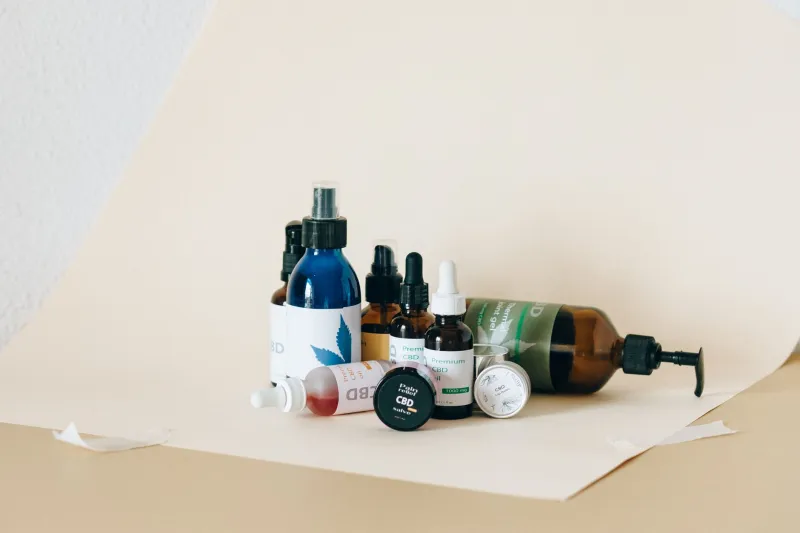
There’s a particular kind of confidence that arrives after a good night’s sleep and a strong coffee. You feel normal. The car keys are right there. The CBD bottle is in the kitchen, neatly labelled, and you’re fairly sure it’s “the mild one”. That’s usually the moment to slow down for thirty seconds.
This isn’t a scare story, and it isn’t legal advice. It’s a practical check for UK adults who use CBD and drive — because the gap between “I feel fine” and “I can show what I took, when, and from which batch” is bigger than most of us think.
Start with the label, not the vibe
CBD products in the UK sit in a crowded, confusing marketplace. Some are sold as food supplements, some as cosmetics, some with language that sounds almost medical. Very few are licensed medicines. That matters when you’re trying to work out what’s actually in the bottle.
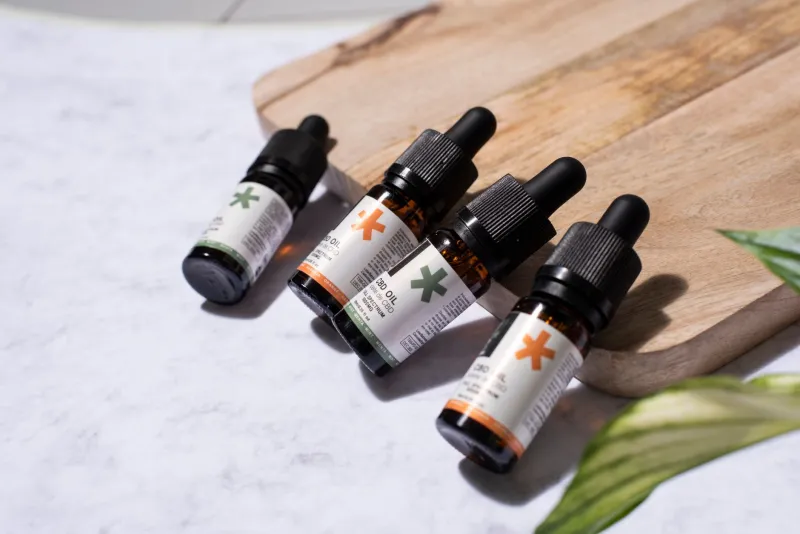
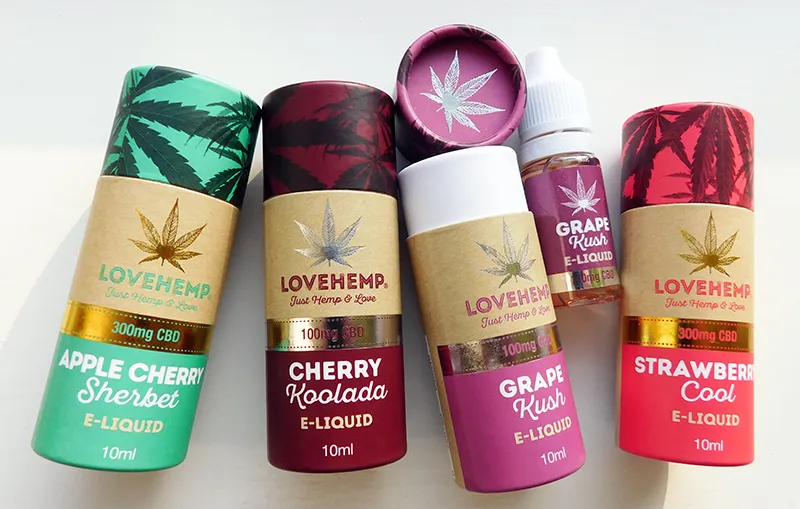
Before a product becomes part of your routine, read the back of the pack properly. You’re looking for the amount of CBD per dose, the carrier oil, any added ingredients, the batch number, and a best-before date. If the label is vague about strength or doesn’t carry a batch code, treat that as a reason to pause rather than a quirky design choice.
Why the batch code? Because if something changes — a new bottle, a different flavour, a replacement from the same brand — the batch is how you tell one product apart from another. Keeping the packaging, or at least a photo of the label and batch, gives you something concrete to refer back to. It’s a small habit. It’s also the difference between “I think it was the orange one” and a proper answer.
What the law actually cares about
UK drug-driving law is not built around the word “CBD”. It focuses on controlled drugs, impairment and specified limits. In England and Wales, there is a legal limit for Delta-9-THC in blood, and Scotland has its own drug-driving limits. Across the UK, it is an offence to drive while unfit through drugs.
That’s the bit to hold on to: fitness to drive is the headline, not the product name on the bottle. CBD itself does not have a specific drug-driving limit in the way THC does, but that doesn’t make “I feel fine” a legal defence. If a product contains THC — or if CBD interacts with another medicine and makes you drowsy or foggy — the question becomes whether you are fit to be in control of a car.
This is also why labels and batch information matter. A reputable product should be clear about what it is. It should not leave you guessing about controlled cannabinoids. If a label makes big claims but goes quiet on the basics, that’s not a buying signal. It’s a reason to ask questions.
Timing is not a magic trick
There’s a tempting idea that leaving a fixed number of hours between a CBD dose and driving solves everything. It doesn’t. Timing is useful context, not a guarantee.
CBD affects people differently. So do sleep, stress, alcohol, caffeine and any prescription medicines you take. If you are using CBD alongside medication, the combination can matter more than the CBD alone. Some people feel perfectly clear. Others feel slightly flat, sleepy or unfocused — and those are not ideal states for merging onto a dual carriageway.
A sensible approach is to treat your first few days with a new product as a watching brief. Notice how you feel. Don’t schedule a long motorway drive straight after a new dose. And don’t use the car as a test lab for a product you haven’t tried before.
The glovebox habit
You don’t need to turn your car into a filing cabinet. You do need a simple way to keep the facts close enough to be useful.
Keep the original packaging at home, or photograph the front, back and batch code before you recycle it. If you use a prescription cannabis-based medicine, keep to the instructions from your specialist and the patient leaflet. A shop-bought CBD oil is not the same thing as a prescribed medicine, even if the words on the label look similar.
If you are stopped by the police, “I feel fine” is a sentence. It is not evidence. What helps is being able to say what you took, when you took it, and what the product was. You don’t have to memorise the batch number. But having it on your phone is a calmer starting point than trying to reconstruct your routine at the roadside.
When to ask instead of assume
Ask a pharmacist or your GP if you are unsure about CBD and your prescription medicines, if you feel drowsy or unwell after using a product, or if you are trying to work out whether a product is what it says it is. A quick counter conversation is not an overreaction. It is exactly the kind of question pharmacies deal with.
And if you are ever in doubt about whether you are fit to drive, don’t drive. That sounds almost too simple, but it is the most reliable rule in this whole article. The morning after, the long shift, the new bottle, the cold that’s dragging on — none of them care about your plans.
The calm bottom line
CBD and driving don’t need to be a minefield, but they do reward a bit of boring care. Read the label. Keep the batch code. Notice how you feel. Don’t assume a product is THC-free just because the front of the bottle is friendly. And treat “I feel fine” as the beginning of your thinking, not the end of it.
Hemplex’s view is simple: buy with your eyes open, keep the packaging, and ask when the answer isn’t clear. That’s not legal advice or medical advice. It’s just a sensible keyring check before you turn the ignition.