A Sticky Note, Not a Science Lab: How to Keep Track of CBD Dates
Photo: Ecig Click, CC BY-SA 2.0, via Wikimedia Commons
Most of us treat a CBD bottle like a spice jar: it arrives, it goes in a cupboard, and it quietly becomes part of the scenery. Then one evening you pick it up, squint at the small print, and realise you have no idea whether it is three weeks old or three years old. The batch code looks like a train ticket. The best-before date is hiding under the label. And the little open-jar symbol, if there is one, is doing its best impression of a cryptic crossword clue.
That is why a simple first-open date is worth more than a drawer full of good intentions. Not a laboratory log. Not a spreadsheet with tabs. Just a sticky note, a pen and a ten-second habit. Treat it like the date you write on a milk bottle at home — except this one lives in the cupboard, not the fridge, and it does not need a dramatic countdown.
Best-before is a clue, not a countdown
A best-before date on a CBD oil or capsule tub is usually about quality rather than danger. It tells you how long the maker expects the product to stay at its best when it is unopened and stored properly. It is not a magic switch that flips from fine to faulty at midnight. But it is also not a suggestion you can ignore indefinitely.
The useful question is not only 'is it in date?' but 'what has happened since I opened it?' A bottle bought last month and opened every day has had a very different life from one that has sat sealed at the back of a shelf. Once air gets in, the clock changes. That is why the date you first break the seal is often more practical than the date printed on the base.
The date that matters most: the day you open it
You do not need a special label maker. A small sticker, a strip of masking tape or a fine-tip pen on the label will do. Write the day you opened it — day and month is enough — and keep the bottle in its original box if it came with one. The box usually carries the batch code, the best-before date and any storage notes. Losing it is not a disaster, but keeping it makes life easier.
For oils, a common period-after-opening note is somewhere around six months, but check the pack rather than assuming. Some brands give a shorter window; some give longer. Capsules often have a longer shelf life before opening but should still be kept dry and away from heat. If the product has no opened-shelf-life guidance at all, use the best-before date as your outer limit and aim to finish it within a few months of opening. Write that on your sticky note too if you like: 'opened 14 Nov — aim to finish by spring.'
Batch codes: the boring bit that can save a phone call
Batch codes look like they were designed by someone who enjoys cryptic puzzles. They are not there to torment you. They help the maker trace a product if there is a quality issue, a recall or a question about a specific run. If you ever need to contact a UK retailer or brand, the batch code is the first thing they will ask for.
Take a photo of the base of the bottle and the side of the box when you first open it. Keep the photo in a notes app or a folder on your phone. That way you are not squinting at a faded label six months later with the kitchen light behind you. It also helps if you are rotating several products and cannot remember which one came from where.
A small stash beats a forgotten shelf
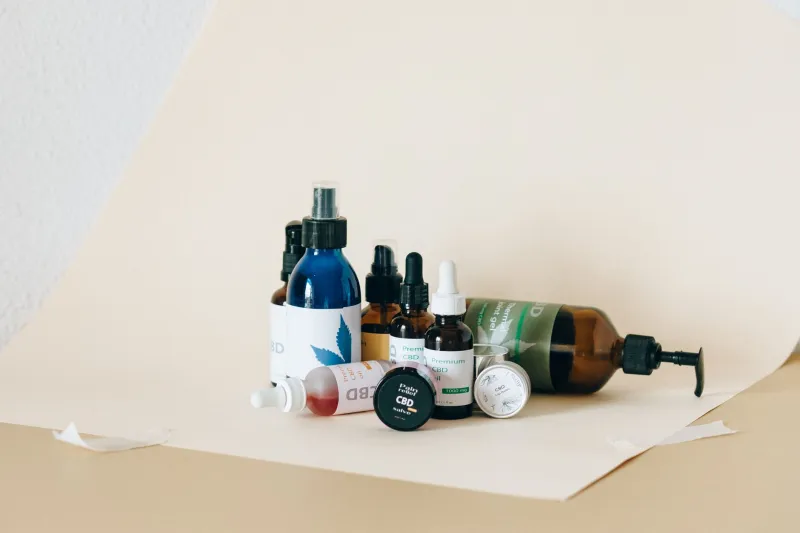
It is easy to end up with three oils, two tubs of capsules and a cream you were given at Christmas. That is not a stash; that is a small warehouse with no manager. A simple rotation system helps: keep one product open at a time, store the rest sealed, and put the oldest unopened item at the front of the shelf. When you finish one, bring the next forward.
If you buy in a sale, resist the urge to stock up beyond what you will realistically use before the best-before date. A bargain that sits untouched for two years is not a bargain. It is cupboard decoration. A modest stash you actually finish is usually the better buy, even if the price per bottle was slightly higher.
How to spot an oil that has had its day
CBD oils are usually made with a carrier oil, so they can go off in the same way as any other edible oil. Trust your senses first. A fresh oil should smell like the carrier and the hemp extract, not like old cooking oil or a forgotten chip pan. If it smells sharply rancid, tastes bitter in a way that is new and unpleasant, or looks unusually cloudy or separated after a good shake, treat it as a sign to check with the brand. Some separation or natural sediment can happen, so read the pack before panicking.
Capsules are simpler. If they are sticky, discoloured, cracked or smell odd, do not use them. Creams and balms can dry out, split or change texture. Again, the manufacturer's guidance beats guesswork.
The two-minute reset for 2026
Pick a quiet moment this week — while the kettle boils, perhaps — and do a quick shelf audit. Line up your CBD products. Check the best-before dates. Write the first-open date on anything already in use. Photograph the batch codes. Move the oldest items to the front. Bin anything that clearly smells or looks wrong, and note the date you opened the keepers.
It is not glamorous. It will not make a satisfying social media post. But it turns a vague worry into a simple routine, and it helps you get the most from what you bought. In a market full of bold labels and big numbers, a small handwritten date is one of the most honest pieces of information in your cupboard.