Ribbon On, Label Off: What to Do With CBD You Didn't Ask For
Photo: unopened CBD oil bottle with festive ribbon on wooden kitchen table, via m.media-amazon.com
There is a particular face people make on Christmas afternoon when they unwrap a small brown bottle, squint at the label and say, brightly, “Oh — lovely.” It is the face of someone who has just received CBD and has absolutely no plan for it. If that was you this December, welcome. You are not alone, and you do not need to become a hemp expert before Boxing Day.
This is a low-drama guide to the bottle in your hand: what the label is actually telling you, where to keep it, what to ask before you try it, and how to pass it on politely if you decide it is not for you.
First, put the kettle on and read the label
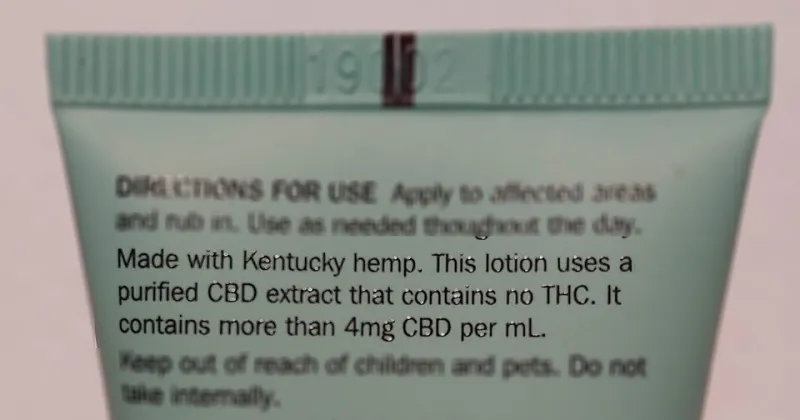
CBD labels have a habit of looking more complicated than they are. You are mainly looking for four things.
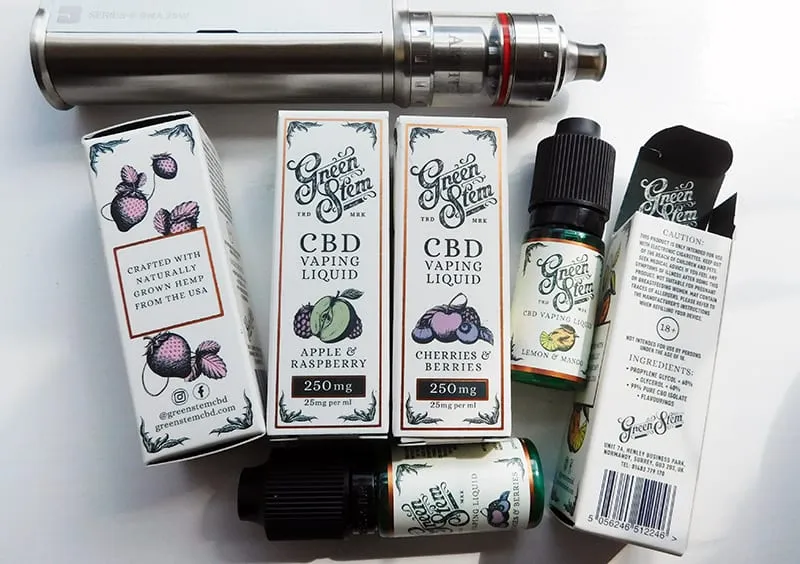
How much CBD is in the bottle, and how much is in a serving. A bottle might say 500mg or 1000mg in total, but that is not the same as 500mg per drop. Look for the serving size — often a number of drops — and the CBD content per serving. If the label only shouts a big number without explaining the serving, treat it as a yellow flag rather than a bargain.
What kind of CBD it is. Full-spectrum, broad-spectrum and isolate are the three you will see most often. In plain terms: full-spectrum keeps a wider mix of compounds from the hemp plant, broad-spectrum removes most or all of the THC, and isolate is CBD on its own. None of these is automatically “best”. They are just different starting points, and the right one for you is a question, not a guarantee.
The batch and best-before date. A batch number means the product can be traced. A clear best-before date means you know how fresh it is. If either is missing, that is useful information too — just not flattering information.
Anything that sounds like a miracle. UK rules do not allow CBD products to make medicinal claims — no “cures”, no “treats”, no “guaranteed to fix your sleep”. If the packaging is promising the earth, lower your expectations and raise your eyebrows.
One more label note: CBD extracts are treated as novel foods in the UK, which is why you will see references to novel food rules and authorised products. You do not need a law degree. You just need to know that a sensible product should be clear about what it is, where it came from and how much to take.
The radiator is the enemy
CBD oil does not need a shrine. It needs a cool, dark, dry cupboard, away from the radiator, the window sill and the kettle steam. Keep it upright, keep the cap on, and keep it in its original bottle. Decanting it into an unlabelled dropper is how people end up playing detective in February.
If you have children, pets or houseguests who treat every cupboard as a challenge, put it somewhere higher and less interesting. And check the best-before date before you tuck it away — there is no point storing something until Easter if it expires in March.
The fridge is usually overkill. A kitchen cupboard that does not turn into a sauna is fine.
Ask yourself three honest questions before you try it
This is not a medical consultation, and it is not meant to be. It is just the sort of common-sense check you would do with any new food supplement.
First: does this fit my routine? If you already take medication, are pregnant or breastfeeding, or have a health condition, have a word with your GP or pharmacist before adding CBD. That is not scaremongering; it is just sensible admin.
Second: am I expecting it to do a job it cannot do? CBD is not a medicine, and it is not a shortcut to perfect sleep. If you are curious, start low, take your time and see how you feel. If you are not curious, you do not have to try it just because it was a gift.
Third: what would I actually do with it? A bottle that sits unopened until next Christmas is not a wellness routine. It is clutter with a dropper.
The etiquette bit: regifting without a family incident
Here is where December gets delicate. You do not want to hurt anyone's feelings, and you also do not want to force down a product you are not ready to use.
If the bottle is sealed and unopened, regifting is usually fine — but do it thoughtfully. Check the best-before date, keep the original packaging and any batch information, and make sure the person you are passing it to actually wants it. A CBD oil is not a neutral gift for everyone. Give the recipient the context: what it is, how much is in it, and why you thought of them. “I got this and realised I am not going to use it — would you like it?” is a perfectly decent sentence.
If the bottle is opened, do not pass it on. Charity shops generally do not want opened food supplements, and your mate does not want your half-used dropper. Use it, store it properly, or check the retailer's returns policy if it was bought with a gift receipt. Many shops are stricter about opened supplements than about scarves, so read the small print before you march to the till.
And if the giver asks how you are getting on? You do not need to deliver a verdict on hemp. Try something calm and true: “I am still reading up on it — I want to make sure I use it sensibly.” That buys you time, keeps the peace and is probably accurate.
A small January plan
Take a photo of the label now, while the bottle is in your hand. Store it somewhere sensible. Give yourself until the end of January to decide whether it is part of your routine. If it is not, regift it sealed, return it with the receipt or use it up as directed — but do not let it become a mysterious brown bottle at the back of the cupboard.
CBD does not need to be a big deal. It is a product, not a personality test. Ribbon off, label read, cupboard sorted. That is the whole job.