Soft-Focus Shelves: Reading CBD Marketing Without Buying the Mood
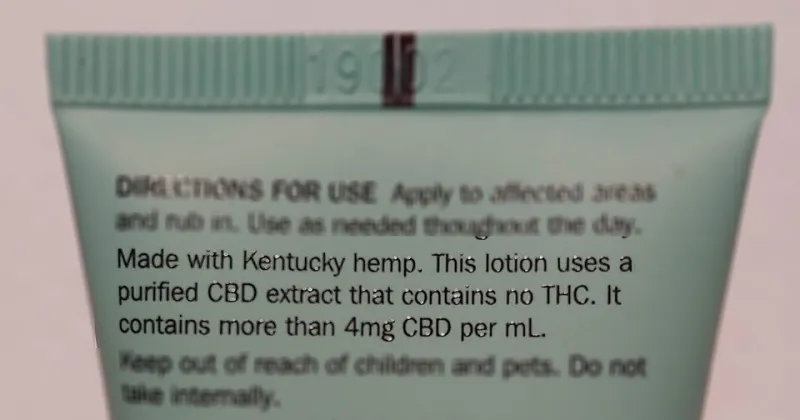
Photo: Bri, CC BY-SA 4.0, via Wikimedia Commons
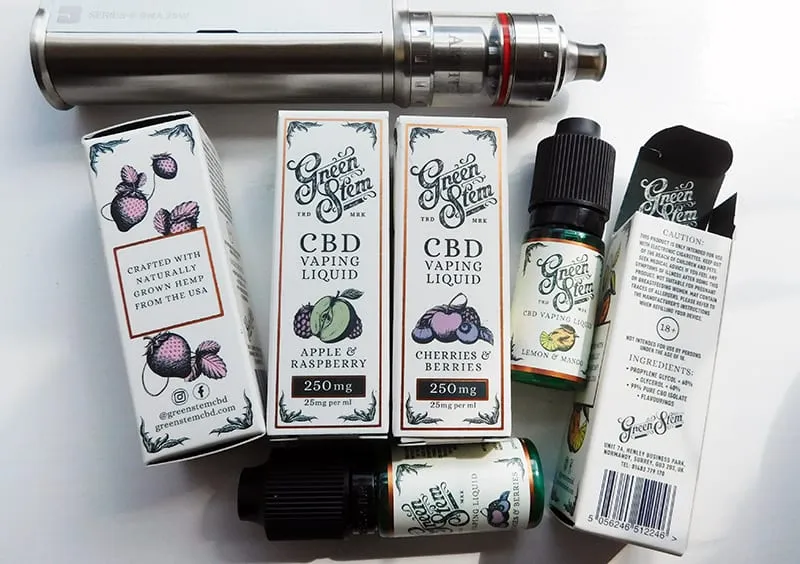
Walk through a UK CBD shop or scroll a brand's site in 2026 and you will meet a certain mood: sage green, lowercase type, a leaf photographed like a perfume ad, and a promise that everything is about to feel a bit more balanced. None of that is illegal or even unusual. But it is often useless when you are trying to work out what is actually in the bottle.
This is an opinionated guide, not a legal one. The point is simple: a product page should inform you, not just sell you a feeling.
Pretty packaging is not a specification
Soft-focus branding is not neutral. It is persuasive. A photograph of dew on a hemp leaf can make a product feel natural, careful and trustworthy without saying anything checkable. That does not make the product bad. It just means the branding has done its job before the label has done yours.
Ask the boring questions. How many milligrams of CBD are in each ml, drop or serving? What is the THC level? Is there a batch-specific certificate of analysis? Who tested it and when? If the page cannot answer those, the mood is doing the work.
A translation table for common phrases
Full spectrum usually means the product contains a range of cannabinoids from the plant, and it may include trace THC. Check the certificate rather than assuming.
Broad spectrum usually means a range of cannabinoids with THC removed or kept below a stated limit. Again, check the batch paperwork.
Entourage effect is a theory that cannabinoids and other plant compounds may work together. It is interesting. It is not a guarantee, and marketing often stretches it into a promise the evidence does not support.
Lab tested is close to meaningless unless it is batch-specific and you can see the certificate. Every sensible brand should be able to show one.
Organic is an agricultural claim. Look for a recognised certification rather than a green leaf icon.
Doctor formulated can mean a doctor was involved. It does not mean the product is a medicine or that a doctor recommends it for you.
Premium is a price adjective wearing a suit.
Water soluble is a formulation claim. Ask what it means in practice and whether there is evidence for the specific product.
No high usually means THC is below the legal limit. It is not a personal guarantee for every user.
Clinically proven is a red flag unless the page names the study, the product and the claim. A footnote to a general review is not proof.
Overreach: when the page starts playing doctor
If a product page lists conditions such as anxiety, insomnia, arthritis, epilepsy or menopause, slow down. General CBD products sold as food supplements are not medicines. The UK does have a licensed CBD medicine for specific conditions, but that is a different category with different rules. Do not self-treat serious symptoms with a high-street bottle.
Watch for phrases like cures, guaranteed, replaces medication or doctor recommended. They need evidence, and often they are doing the work that a proper medical conversation should do. Softer claims such as for anxious minds or for better sleep are still claims. They are just wearing a cardigan.
Informing versus selling a mood
An informing page tells you the dose, ingredients, THC level, batch certificate, novel food status, storage advice and who to contact if something goes wrong. It may still look lovely. Good design and useful information are not enemies.
A mood-selling page gives you lifestyle photos, vague testimonials, countdown timers and a subscription button before it gives you a milligram figure. If you finish reading and still cannot say how much CBD is in a dose, the page has failed the basic test.
A five-minute product page audit
First, find the CBD amount per dose. Second, look for a batch certificate of analysis. Third, check the THC information. Fourth, scan the claims for anything medical or absolute. Fifth, find a real company address and contact route. Sixth, check whether the product is being sold as a food supplement or something else.
If three of those are missing, leave the page. There are enough sensible UK sellers that you do not need to reward a fog machine.
The boring conclusion
Brands should stop hiding behind soft focus and say what they mean. In 2026, the most ethical packaging might be the least romantic: clear dose, clear batch, clear limits, clear contact details. That is not a mood. It is information. And for a buyer, information is worth more than calm.