The Cool Cupboard Rule: Where CBD Oils and Capsules Actually Belong
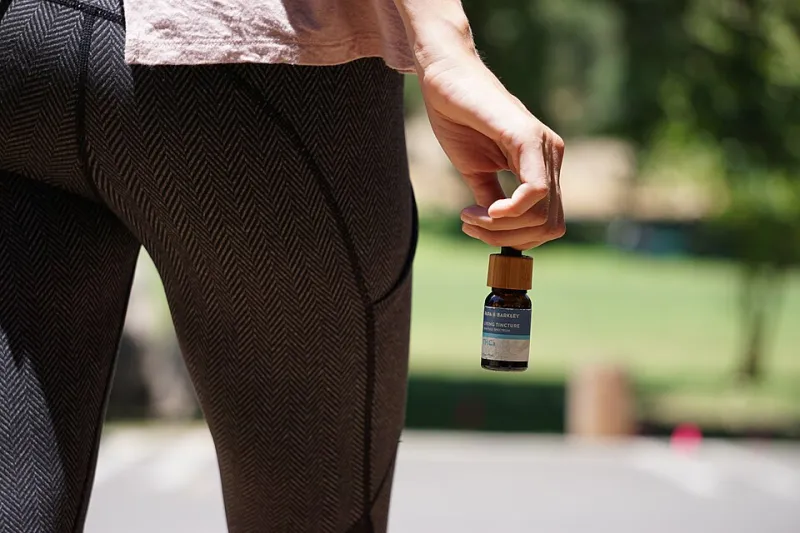
Photo: elsaolofsson, CC BY 2.0, via Wikimedia Commons
There is a particular kind of British optimism that puts a nice bottle on the bathroom shelf and assumes it will be fine. It sits beside the shampoo, the spare toothpaste and a candle nobody lights. It looks tidy. It feels intentional. And it is often the worst place in the house for a CBD oil or a tub of capsules.
That is not a scare story. It is just storage common sense. CBD products are not fragile museum pieces, but they are sold in small bottles and packs that cost real money. A bit of care helps you get sensible value from what you buy, whether you are new to the shelf or simply trying to stop your latest bottle from quietly ageing in a warm spot.
At Hemplex, we are not here to turn your cupboard into a laboratory. The aim is simpler: keep things cool, dark and dry, and use them in a reasonable time. That is the whole rule.
Why the bathroom is a hard place to live
Bathrooms are damp, warm and full of steam. Even the neatest among us has a shower that turns the room into a small tropical climate for ten minutes a day. Add a heated towel rail, a window that stays shut and a shelf directly above the radiator, and you have created a fairly hostile environment for anything that prefers stability.
For oils, the main concerns are heat, light and moisture. For capsules, moisture is the big one: it can make them sticky, clumpy or soft, and nobody enjoys a tub that has turned into a single collective capsule. Steam also does labels no favours. A bottle with a smudged batch number and no clear best-before date is harder to trust later.
None of this means a bathroom bottle will instantly turn bad. It means you are stacking the odds against yourself for no good reason. If there is a better shelf two metres away, use it.
The cool cupboard rule
A kitchen cupboard can work well, provided it is not the one next to the hob, kettle or oven. Think about the spots that stay fairly even: a low cupboard away from the cooking zone, a pantry shelf, a drawer in a cool part of the room. The key is not to chase perfect conditions. You are just avoiding the obvious hot spots.
Oils generally prefer a cool, dark place with the lid done up properly. Capsules prefer dry conditions and their original tub, with the silica sachet left inside if one came with it. Keep both away from direct sun. A windowsill is for basil and optimism, not for CBD.
The fridge is a question that comes up often. For some oils, a cool fridge might seem logical, but it can also make the oil thick or cloudy, and repeated temperature changes are not especially kind. If the brand gives storage instructions, follow them. If it does not, a cool cupboard is the safer everyday default. Do not invent a more complicated system than the product needs.
Bedroom drawers, hallway shelves and the handbag question
A bedroom drawer is often a good compromise: dark, dry and away from kitchen steam. Just check that it is not directly above a radiator or in a room that bakes in summer. A hallway shelf can work too, as long as it is out of direct sunlight and not right next to a front door that lets in damp and cold.
For travel, keep it simple. A small zip pouch or wash bag is fine, but do not leave the bottle in a hot car or a sunny windowsill in a hotel room. If you decant anything, label it clearly. A mystery amber bottle in a gym bag is not a storage system; it is a future guessing game.
Capsules travel best in their original tub, not loose in a pocket or mixed with other supplements. If you need to carry a few, use a small labelled pill box and keep it dry. And if you are flying, check the airline and airport rules before you pack anything. Storage advice is one thing; security rules are another.
The slow enemies: light, heat, moisture and time
Light can fade labels and, over time, affect products that are not protected by opaque packaging. Heat speeds up the general ageing process. Moisture gets into caps, clumps capsules and encourages that sad, sticky look. Time does its own quiet work, which is why the best-before date matters.
A common mistake is treating the date as a challenge rather than information. If a bottle has been open for months and spent most of that time on a sunny shelf, the date is not a guarantee of freshness. Write the opening date on the label if it helps. Keep the outer box if it has storage details on it. Small habits, less guesswork.
Signs a product has had a rough life
You do not need to become a CBD detective, but a few simple checks are worth doing. Look at the label: can you still read the batch number and best-before date? Check the oil: has it become unusually cloudy, separated or thick? Smell it: does it seem notably different from when you bought it? For capsules, check for stickiness, clumping, discolouration or a tub that has clearly been damp.
If something looks or smells off, or the date has passed, retire it. Do not try to rescue a product by putting it in the fridge at the last minute or mixing it into a smoothie to use it up. If you are unsure, contact the brand or the shop you bought it from. That is not fussy; it is just sensible.
A five-minute storage reset
Pick one cool, dark, dry spot in your home. Move your current oil and capsules there. Keep them in their original packaging with labels facing out. Bin any empty bottles and anything well past its date. Put travel portions in a small labelled pouch, not loose in a bag. Then leave it alone.
That is the cool cupboard rule. No vault, no ritual, no need to reorganise the whole kitchen. Just a better shelf than the bathroom, a bit of shade and a reasonable eye on the date. Your future self, opening a tidy cupboard instead of a steamy one, will quietly thank you.