Liquids, Labels and Luggage: Packing CBD for a UK Flight Without the Guesswork
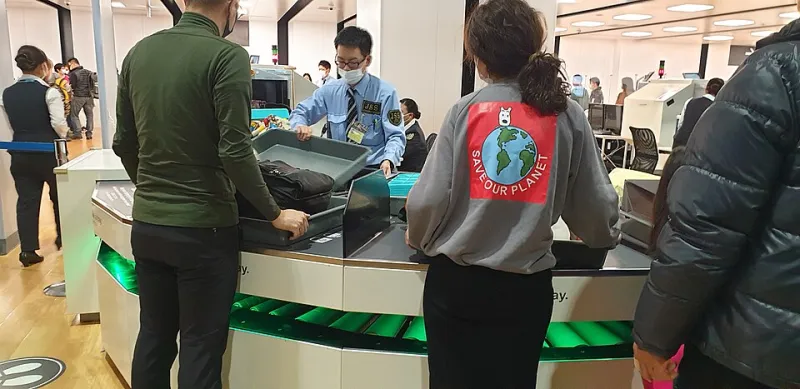
Photo: Jeena Paradies from Varberg, Schweden, CC BY 2.0, via Wikimedia Commons
You've booked the flight, sorted the passport, and now there's a small amber bottle on the bathroom shelf giving you a funny look. Perfectly normal. Flying with CBD isn't dramatic, but it isn't something to wing either — and the parts that actually matter at the airport are duller than most people expect. Liquids. Containers. Paperwork. Nobody in a hi-vis vest is going to ask what it's supposed to do for your sleep.
What security is really looking at
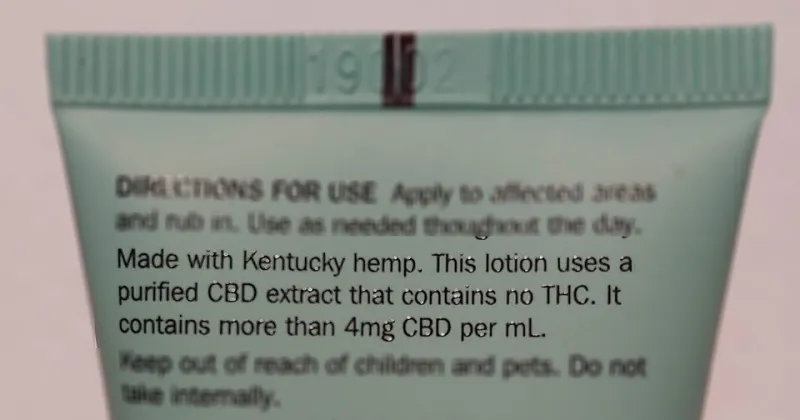
The X-ray machine doesn't read labels and doesn't care about your reasons. Officers are checking a much shorter list: is this container over 100ml, is it in the clear bag, and does it look like what it says it is. That last one is where people trip up. A sealed, labelled, original bottle with a readable ingredient list moves through the tray without a second glance. A mystery fluid decanted into an unmarked travel pump is basically an invitation to a longer conversation.
Don't decant. It saves about forty grams of luggage weight and costs you ten minutes of explaining.
The 100ml rule doesn't make an exception for wellness
UK hand luggage rules are the familiar ones: containers of 100ml or less, inside a single clear resealable bag, roughly 20cm by 20cm, one bag per person. It's the size of the container that counts, not how much is left in it — a 30ml dropper is fine in the cabin, a 200ml bottle goes in the hold, even if it's nearly empty.
Some UK airports now run the newer scanners where you don't have to fish your liquids out, but rollout has been uneven and rules can shift at short notice. Pack for the old rules and you won't be caught out if the lane you get sent down is the traditional one.
Capsules and softgels aren't liquids, so the 100ml limit doesn't apply to them. Still, keep them in the original tub rather than a loose handful rattling around in a pill organiser — partly so nobody has to have an awkward conversation, partly because a label is the cheapest form of proof you own.
Why your receipt earns its place in the bag
Two reasons, and neither is about the security queue.
The first is identification. If you're asked what you're carrying, a labelled product plus a receipt from a UK retailer is a much stronger position than a shrug and a guess at the strength. The second is the border. If a customs officer abroad wants to know what's in the bottle, being able to show the packet, the milligram figure, the batch number and a dated purchase is a far calmer conversation than trying to remember where you bought it.
A photo of the label and the batch code, saved to your phone, costs nothing and quietly covers you. It's a useful habit generally, given how variable CBD labelling still is.
A UK label means nothing at the border
Read this bit twice. Legal on a shelf in Bristol does not mean legal where you're landing. CBD sits in an odd legal position in plenty of countries and is outright controlled in others. Some destinations with strict drug laws — the UAE is the example everyone reaches for — have effectively no tolerance for it, and that includes a bottle that's completely unremarkable in Sainsbury's.
Transit counts too. If you're changing planes somewhere with tough rules, those rules can apply to you while you're sitting in the terminal with a coffee.
So check three things, and check them at the source rather than on a forum:
- the FCDO travel advice page for your destination on gov.uk
- the destination country's embassy or customs website
- your airline's own conditions of carriage
That third one catches people out. Carriers sometimes have policies of their own, and they update. Five minutes on the airline site before you pack beats discovering it at the gate.
The things that genuinely complicate a trip
A few items deserve a firmer no than a bottle of oil:
- CBD flower or hash. Don't. It reads as cannabis to a scanner and a sniffer dog, and in many countries that's a serious criminal matter rather than a chat.
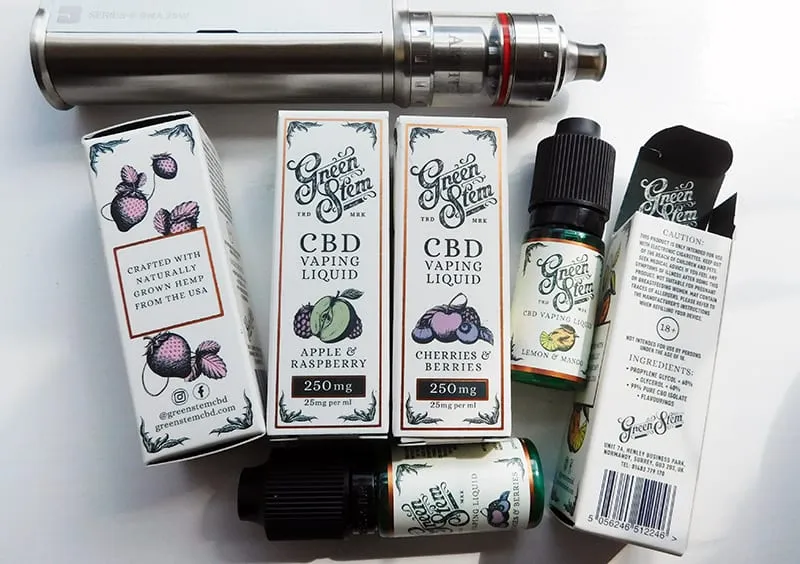
- Vape pens and e-liquids. Batteries go in the cabin, never the hold. E-liquid falls under the same container-size rule as oil, so a 10ml bottle is cabin-friendly and a 50ml shortfill is not.
- Prescription CBD products. Different category, different paperwork. Carry the prescription and a letter from your clinician, and tell the airline in advance rather than hoping.
- Hemp food and drink. Usually unremarkable, but worth a quick check if you're heading somewhere strict about novel foods.
If you're unsure after all that, the honest answer is to leave it at home. Nothing in that bottle is worth a problem at a border.
The five-minute pre-flight check
- Original sealed bottle, label legible, under 100ml → clear bag, cabin
- Anything larger → hold luggage, double-bagged in case of leaks
- Capsules → original tub, cabin or hold
- Receipt or order confirmation saved on your phone
- Photo of the label and batch number
- FCDO page checked for the destination
- Embassy or customs page checked
- Airline conditions of carriage checked
- Nothing decanted, nothing unlabelled, nothing rattling loose
The short version
Security cares about the bottle, the size and the bag. The country you're flying to cares about whether it's allowed at all. Those are two separate questions with two separate answers, and both are worth sorting before you leave the house. Do that, and the tray at security becomes the most boring part of your morning — which is exactly what you want.